Natural Lip Balm: Ingredients for Soft Lips
Organic Lip Balm vs. Traditional: Understanding the Key Differences
In terms of lip care, you might wonder what sets natural lip balms apart from conventional ones. These two options differ substantially in their ingredients and impact on your lips and the environment. If you're curious about how each type hydrates and protects, as well as their safety for sensitive skin, you're not alone. Let's explore the nuances that could influence your next purchase decision.
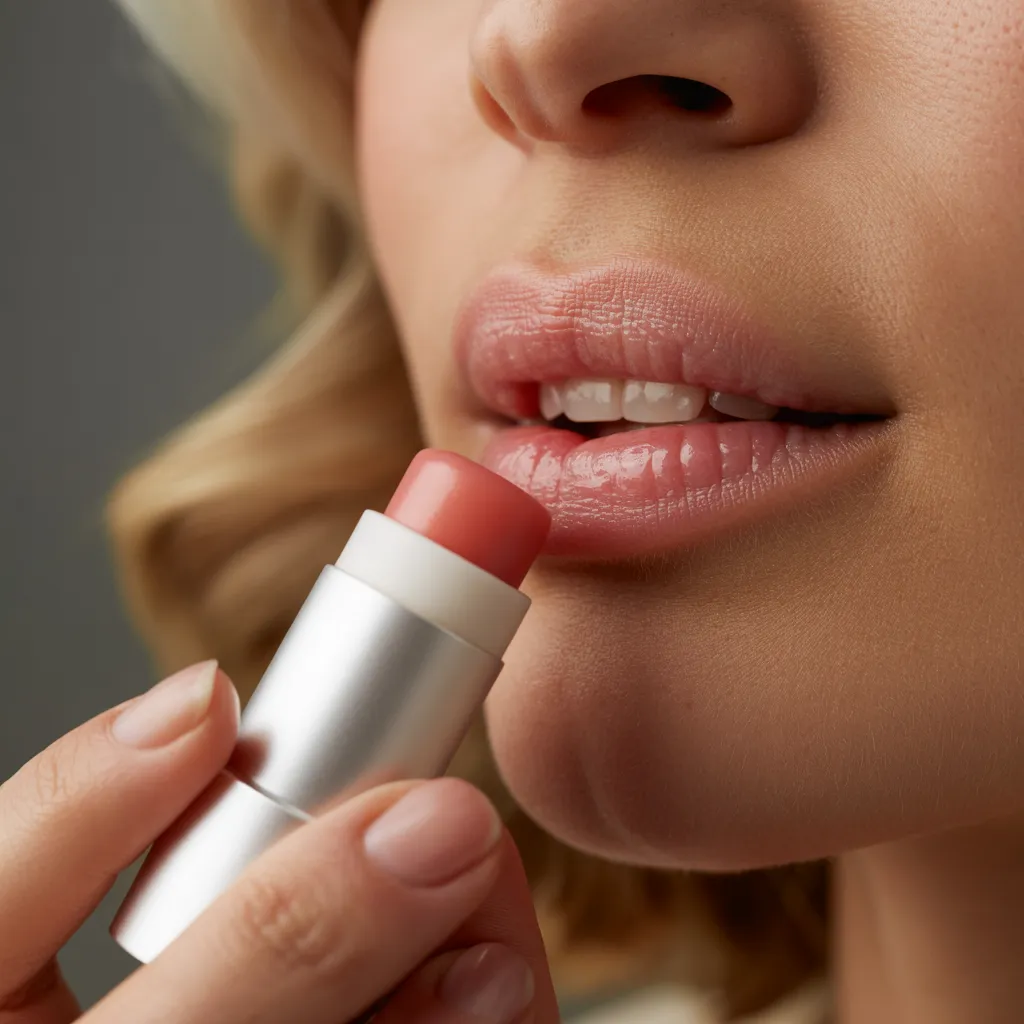
Which Ingredients Constitute Natural Lip Balm?
When you opt for a natural lip balm, you will find it's often packed with simple, plant-based ingredients. These balms usually contain nourishing oils like coconut, jojoba, or almond oil, which hydrate and smooth your lips. Beeswax or botanical waxes provide a protective barrier, trapping in hydration without smothering your skin. You may also find natural butters, such as shea or cocoa butter, that add creaminess and extra nourishment. Essential oils often enhance the scent and contribute therapeutic properties, while natural flavorings preserve taste without artificial additives. All in all, natural lip balms focus on ingredients you can identify and trust, making them a wonderful option for those seeking a cleaner, more eco-friendly option for lip care.
What Does Conventional Lip Balm Contain?
Conventional lip balms typically depend on synthetic ingredients and chemicals that may not be as familiar as those found in their natural counterparts. Common components include petrolatum, a petroleum-derived substance that provides a barrier but lacks moisture. You might also find artificial fragrances and flavors, which can bother sensitive skin. Preservatives like parabens help extend shelf life, but they raise concerns about potential health risks. Furthermore, some balms contain dyes to enhance color, providing them with a more appealing look. While these ingredients can be useful for temporary relief, they often don't offer the long-lasting benefits of natural alternatives. Being aware of what's in your lip balm can help you make educated choices about your skincare.
Moisture Application Approaches: Organic versus Traditional Lip Balms
While choosing between learn more natural and conventional lip balms, it's essential to think about how each type nourishes your lips. Natural options usually utilize oils and butters, while conventional products may utilize synthetic chemicals for hydration. Recognizing the differences in their compositions and long-term effects can guide you toward a better choice for your lip care.
Natural Ingredients Overview
Natural lip balms harness the power of plant-based ingredients to provide effective moisturization without synthetic additives. You'll discover components such as shea butter, coconut oil, and beeswax that combine to seal in hydration and form a defensive layer on your lips. These plant-based conditioners nurture your skin while hindering moisture loss and chapping.
Conversely, you may observe that several standard balms rely on petroleum-based products, which can offer a short-term barrier but may not nourish your lips effectively. Natural balms typically include essential oils and vitamins, encouraging healing and easing irritation. When you select a natural lip balm, you're opting for a beneficial experience that supports your skin's health and well-being, keeping your lips smooth and nourished naturally.
Chemical Component Analysis
In comparing the chemical composition of lip balms, it's clear that the approaches of moisturization vary considerably between natural and conventional alternatives. Natural lip balms usually use plant-based oils, such as coconut or jojoba oil, which permeate the skin and supply hydration without harsh chemicals. These ingredients work with your skin's natural shield, supplying moisture without blocking pores.
Conversely, traditional lip balms often contain petroleum-based ingredients such as mineral oil and synthetic waxes. Although they can create an instant seal, they can cause a dependency on the product, as they don't genuinely nourish your lips. Recognizing these distinctions helps you pick a lip balm that aligns with your skincare values and needs.
Long-Term Impact Assessment
Making a choice between natural and conventional lip balms can greatly influence your lips' health over time. Natural lip balms usually use beneficial ingredients like beeswax, shea butter, and essential oils, fostering hydration without harmful chemicals. Over the long term, these ingredients can help preserve your lips' moisture barrier, preventing excessive dryness and irritation.
In contrast, conventional lip balms typically contain man-made compounds and preserving agents. While they could offer instant relief, they can lead to dependency, causing your lips to feel even more dry without them. This pattern may necessitate frequent reapplication, ultimately deteriorating your lip condition. By choosing natural balms, you're essentially investing in better, softer, and more resilient lips in the long run, fostering overall lip health that lasts.
Are Natural Lip Balms Safer for Sensitive Lips?
With regard to sensitive lips, the ingredients in your lip balm truly make a difference. Natural lip balms typically contain fewer synthetic chemicals, which can decrease the risk of allergic reactions. Additionally, they typically provide better hydration and nourishment, making them an excellent option for delicate skin.
Ingredients Matter Most
Though many seek solutions for chapped lips, the choice between natural and conventional lip balms often hinges on ingredients. Natural lip balms commonly contain plant-based oils, butters, and waxes, which can be gentler on your skin. Ingredients like coconut oil, shea butter, and beeswax nourish without harsh chemicals or artificial fragrances. On the other hand, conventional lip balms may include artificial ingredients, preservatives, and flavors that can bother sensitive lips. If you've got a history of sensitivity, selecting products with fewer and simpler ingredients can make a notable difference. Always check labels to ensure you're choosing a balm that aligns with your skin's needs, as this can help you obtain that soothing relief you're after.
Allergy Potential Comparison
Although both natural and conventional lip balms can deliver relief, the allergy potential of their ingredients often generates concerns for those with sensitive skin. Natural lip balms typically include fewer synthetic additives and preservatives, which can be triggers for allergic reactions. In contrast, they often use plant-based oils and butters, which are unlikely to irritate your lips. On the other hand, conventional lip balms may include artificial fragrances, dyes, and chemicals that can lead to sensitivity. If you have a history of allergies, opting for natural lip balms may be a safer choice. Nevertheless, always examine ingredient lists, as some natural ingredients can still cause reactions. At the end of the day, testing a small amount can help you identify what works best for your sensitive lips.
Moisturizing and Nutritional Benefits
Natural lip balms often excel in providing hydration and nourishment, making them a popular choice for those with sensitive lips. You'll discover that numerous organic formulas contain components such as shea butter, coconut oil, and beeswax, which thoroughly hydrate and comfort your lips. These components assist in sealing moisture without aggressive chemicals that may aggravate delicate skin.
On the other hand, conventional lip balms could have artificial ingredients or fragrances that could exacerbate dryness or irritation. By opting for natural products, you'll probably experience a more gentle and powerful treatment for your lips. Moreover, most natural lip balms are lacking allergens, making them better for those susceptible to reactions. All in all, natural lip balms can be a beneficial choice for your soft lips.
Ecological Impact: Organic vs. Traditional Lip Balms
When examining the environmental impact of lip balms, it's crucial to identify the differences between natural and conventional options. Natural lip balms commonly use biodegradable ingredients and sustainable sourcing methods, minimizing their ecological footprint. You'll often find them packaged in environmentally friendly or compostable materials, which assists in decrease waste in landfills. In contrast, conventional lip balms often contain synthetic chemicals derived from petroleum, leading to pollution and environmental harm. Their packaging generally involves plastics that aren't easily recyclable, causing long-lasting waste. By selecting natural lip balms, you're not only protecting your lips but also taking a step in favor of a healthier planet. Your choice can make a difference, supporting sustainability and helping protect the environment for future generations.
Does Natural Lip Balm Justify Its Price?
Is the additional cost of natural lip balm justified? When you opt for natural lip balm, you're committing to your health and the environment. Natural formulations generally translate to fewer harmful chemicals, which can result in healthier lips and reduced irritation. You'll realize that many natural balms use sustainable packaging and ethically sourced materials, supporting eco-friendly values.
In addition, organic lip balms are generally richer in nutrients, providing superior hydration and protection. You could notice longer-lasting effects, making your investment worthwhile. Even though the price tag is higher, consider the benefits: superior ingredients, enhanced hydration, and a reduced environmental footprint. Ultimately, if you appreciate quality and sustainability, all-natural lip balm is worthy of the extra cost.
Selecting Between Natural and Traditional Lip Balm: What to Know
What's the best way to decide which lip balm is perfect for you—natural or conventional? Start by evaluating your skin type and any sensitivities. If you have sensitive skin or allergies, go with natural ingredients like beeswax, shea butter, or coconut oil, as they're unlikely to cause irritation. Next, consider your priorities. Do you want eco-friendly products or are you more focused on performance? Conventional balms often give quick relief but may contain synthetic ingredients. Check the ingredient list; if you can't pronounce it, you might want to avoid it. Finally, contemplate scent and flavor. Whether you prefer a minty kick or a sweet vanilla, make sure it aligns with your personal taste. Select what feels right for your lips!
Questions & Answers
Do Natural Lip Balms Expire More Quickly Than Conventional Ones?
Yes, natural lip balms can expire faster than conventional ones due to fewer preservatives. Make sure to examine the expiration date and keep them stored correctly to maximize their lifespan. Your senses are the best indicator of freshness!
What Allergens Are Present in Typical Natural Lip Balm Ingredients?
Absolutely, frequent allergens in natural lip balms include beeswax, shea butter, and certain essential oils. If you have sensitivities, always check ingredient labels to steer clear of potential allergic reactions and verify your lip balm fits your needs.
How Do I Determine if a Lip Balm Is Actually Natural?
To know if a lip balm's truly natural, examine the ingredient list for known, plant-based components. Stay away from products with synthetic additives or synthetic ingredients. Certifications like USDA Organic can also help to confirm its natural status.
Can Natural Lip Balms Offer Sun Protection?
Organic lip balms often don't deliver adequate sun protection unless they specifically contain SPF ingredients. Always check the label to ensure you get the protection you need while keeping your lips healthy and moisturized.
Can I Craft My Own Natural Lip Balm at Home?
You can certainly craft your own natural lip balm right at home! Just combine beeswax, shea butter, and your preferred oils. Personalize it using essential oils for aroma. It's fun, easy, and you'll love the results!